Friday, 22 January 2021

Endurance

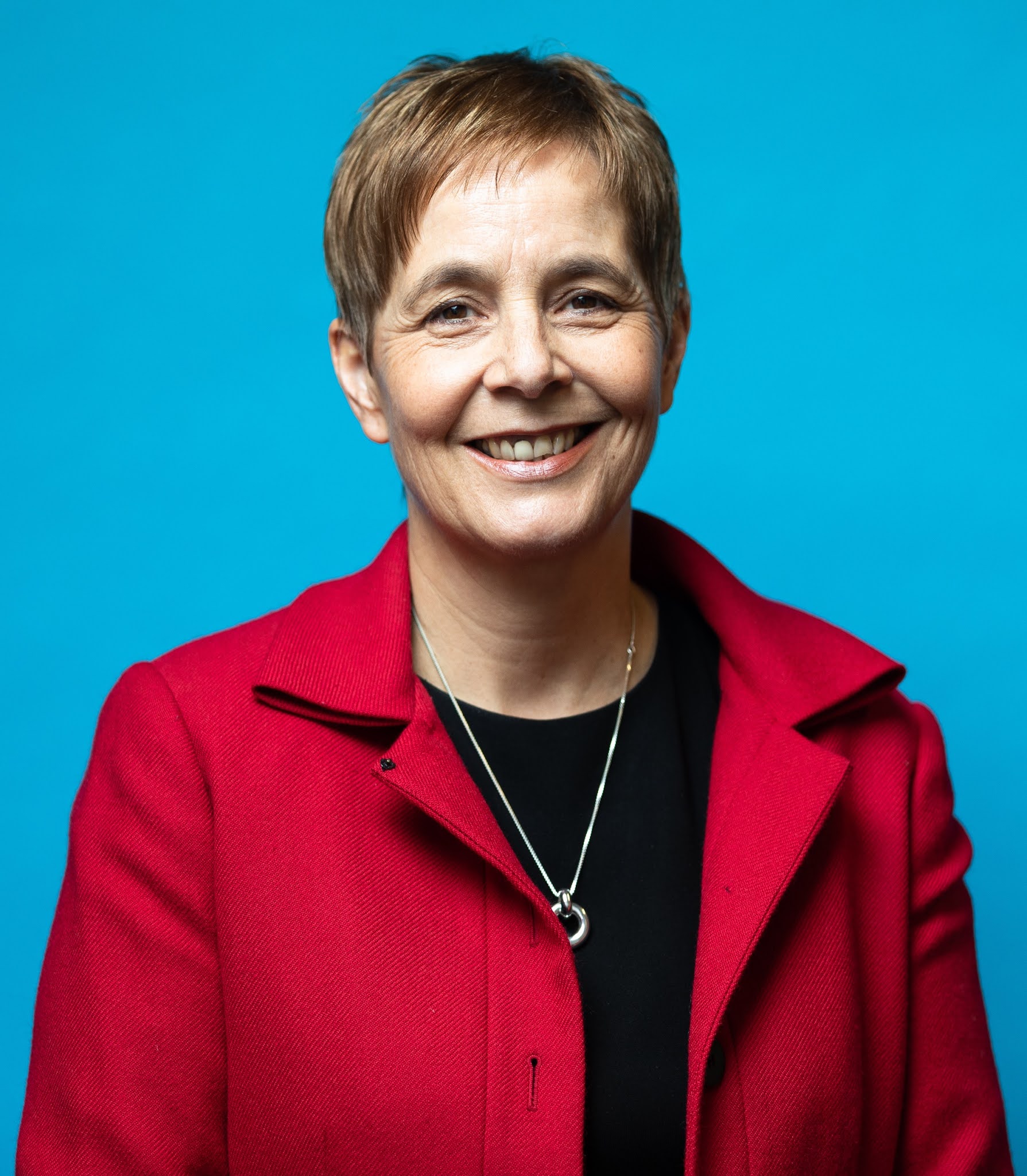
Claire Molloy (top) and
Evelyn Asante-Mensah
(bottom)

I felt strangely relieved when I found out it was Blue Monday at the start of this week, as the day started badly and seemed to deteriorate from there.

Blue Monday is the third Monday of January and is, or so the theory goes, the most depressing day of the year.  It’s cold, you’ve spent all your money on Christmas and all your new year’s resolutions have failed. And that’s for a normal year without a devastating new wave of covid infections, deaths and lockdown.

I woke up feeling that I would just love to pull the duvet over my head and pretend the world wasn’t there! I dropped a glass during breakfast, which smashed everywhere. I then sat down on the settee in a sopping wet patch where my granddaughter had had ‘an accident’. And my son rang later to say that our family cat, which is currently keeping him company as he lives on his own, is very ill and may have to be put down.

These are all small things in comparison to what so many of you and our colleagues in local hospitals are dealing with right now, but Monday definitely felt a little blue.

However, in the evening I curled up on the sofa to watch ‘One born every minute’ and, you know what, it really cheered me up. There was a couple on the programme who were having a baby after seven stressful years of unsuccessfully trying to conceive and it was so heart-warming and uplifting. Just that sense of hope that, even when it seems as if things are impossible, they really aren’t.

I also felt really emotional scrolling through twitter and reading staff posts about having the covid vaccine on the opening day of our vaccine hub. They filled me with a huge sense of relief, hope and pride. The NHS has worked tirelessly to rollout this historic vaccine programme and, in Greater Manchester alone, there are now over 50 vaccination hubs. Our region is already about half way there in vaccinating people in the top four risk groups, with thousands more getting this life-saving jab every day.  

I want to give an enormous shout-out to Sian Schofield, Petra Brown and Sally Naughton for their phenomenal work in setting up our vaccination hub in just two weeks, as well as everyone else who has stepped up to support the programme. We’re now vaccinating just under 200 people every day, and it’s been an awesome and massive team effort. A powerful example of what amazing leaders we have in this organisation, which is timely as next week we start a bespoke leadership development programme with all the clinical and operational leaders in our new structure.

I’m popping into the vaccination hub this afternoon to see how it’s going and look forward to thanking some of you in person. Evelyn, our chair, is also having her jab this afternoon at our hub. As many of you know, Evelyn has underlying health conditions and is therefore in one of the high risk groups, and she’s written a guest blog about this which you can read below.

I know there’s still a long way to go in the fight against this pandemic and that the NHS is at a very precarious point, but this is all monumental news. The beginning of the end.

Throughout this covid crisis, people have referred to tackling it as a marathon, not a sprint. But what makes the pandemic so much harder is that it is not predictable. We don’t know where the finish line is, neither can we predict the time we will get there. We did not train for this and there won’t be the heady sense of accomplishment and completion when we finish. It’s difficult to envision any sense of celebration or any fading of the pain of this crisis.

But it has never the less demanded a huge level of endurance as we are needing to face the difficulties with perseverance and sustained energy over time. I don’t think any of us have any experience of endurance that goes anywhere near what we have been through over the last year. But whilst my own ‘endurance feats’ seem inadequate preparation for the pandemic, I do think there is some learning from the climbing expeditions I have been on and long distance races I have done over the years.

There’s a similarity in the sense of three phases.  If you think about doing any endurance event, the first phase is a shock to the system as you start. It’s always hard getting going, but that’s balanced by the freshness and novelty of the challenge. The middle section is where you get into a battle rhythm and become more effective at what you’re doing. And the last third is the most painful, it seems much longer than the other parts and the hurting physically and emotionally feels like a cruel, gruelling punishment. You want to stop and are desperate for it to be over.

It feels like we are in that painful last phase with this pandemic. We can see an end in sight and there is light at the end of the tunnel, but it’s such incredibly hard going.

There’s a book called ‘Run the Mile You’re In’ and it says that worrying about the miles remaining could overwhelm and paralyse you in the current moment, discourage you or drag you down. But you know you can run a mile. Yes, planning for the whole distance is important, but we just need to find the strength to get through the next mile, and then worry about the next one.

This covid ‘home straight’ might be longer than we anticipated, but we are in the final part as our fantastic vaccine hub is testament to.

************************************************

Guest blog – Evelyn Asante-Mensah

An injection of hope.

That’s how I feel about having the covid vaccine in our hub this afternoon.

I’ve always loved hugging my grandchildren and, before our world changed, I was used to spending lots of time with them. We would regularly be in each other's houses. That wonderful and simple act, that I previously took for granted and now feels like a lifetime ago, will be overwhelming when I’m finally able to put my arms around them.

This NHS vaccination programme is a monumental and momentous turning point, which will help us get back to some kind of normality.

Being in a high-risk group, because of my serious underlying health conditions, has fuelled my anxiety throughout this pandemic. The worry and stress has felt insurmountable at times, so knowing this small but mighty injection will help stop that gnawing fear is a really big deal for me.

As a black woman of African origin, I understand the fears and hesitancy within communities to take a vaccine not only because of the speed in which it was produced but also for some the mistrust around historic authorities and their actions.  As a health professional, I believe that the vaccine and the work undertaken by the scientists and medics is the best way forward.

There’s lots of dangerous rhetoric out there and I’ve been sent personal messages and videos from anti-vaxxers. Some people in my family, as well as some professional colleagues, are very cautious. It's important for people to be able to voice their anxieties, as it can help an informed discussion to take place, and I’ve had productive discussions with my family about some of their worries. 

I’m very aware of the responsibility I have to encourage others to have the vaccine and want to keep telling everyone that I have also studied the evidence and facts. Yes, we need to have some level of trust and put our faith in the experts, but I’ve still done lots of my own research on the pros and cons.

There are risks to everything and it's about weighing up those risks. And for me, it’s a ‘no brainer’. The potential risk of having covid versus the risk of any potential side-effects is simply no contest. Contracting covid would probably put me in hospital on a ventilator or even possibly kill me.

It's been a herculean effort by the scientific and medical professionals and I think we’re very lucky to have this opportunity so early. We need to gratefully grab it with both hands. Not just to protect ourselves can I stress, but to help protect others such as our families, friends, patients, colleagues and people in our communities.

My mum is in her 80s and also has a number of serious health issues and I took her to the NHS Vallance Centre in Manchester on Saturday to have her covid vaccine. There was such a positive atmosphere at this vaccination centre, you could feel a mix of relief and optimism in the air. The staff were so good, with a lovely doctor explaining everything so well to her.  My mum is very religious and said a prayer afterwards as she was so thankful and, like me, sees hope running through this vaccine. I knew she was nervous and felt so proud of her. We’re all brave in our own way and that’s a powerful thing.

So, this afternoon it will feel as though I’m entering the next phase of my life. I know it won’t be plain sailing, and we still all need to be vigilant and careful, but there will be a lot less fear and anxiety. A next stage where I can take such joy in being closer to my family and hugging my grandchildren tightly. I’ve so missed that.

************************************************

Best wishes

Claire and Evelyn

Friday, 8 January 2021

What a difference a year makes

2020 has felt so surreal at times, the stuff of fiction. And like a sci-fi or horror movie the dramatic twists and turns just don't seem to stop (not just the covid ones, it’s truly shocking what is happening over in America).

In thinking about how much things have changed, I looked at last year’s blog to reflect on what I was talking about twelve months ago. Perhaps unsurprisingly, it was very much focussed on all the usual new year resolutions, ambitions and aspirations.

It’s understandable of course that no-one seems to be bothering with any of this for 2021. In the aftermath of the last distressing and tough year, and especially now being in the eye of the storm of another pandemic wave, setting goals feels a bit futile and also a tad overwhelming to be honest. Just getting through the next few months is going to be hard enough.

If 2020 has taught us anything, it’s that we need to cut ourselves some slack. After a year that thoroughly upended our lives, the most “typical” resolutions – to travel more, spend more time with friends, start a new hobby - seem a little frivolous if not impossible to achieve.

This year instead, I’m focusing on the ‘here and now’ and what I ‘value’ most. So, I’m concentrating on maintaining my energy and my health, which includes filling up on the ‘feel good’ factor of being outside (and not feeling guilty with the big slice of cake after a walk) and a newly discovered love of 'pottering'.

With the restrictions over Christmas, I was forced into a much less social break, and surprisingly I really enjoyed doing nothing more for a couple of days than getting up late, sitting around in my pyjamas and overloading on telly and food. Of course, I don't think my clothes could cope with a further year of that, but there is definitely something to be said about the value of pottering! 

In last year’s blog, I talked about 2020 being the Year of the Rat which signifies spirit, flexibility and courage. The rat has an energetic and tenacious nature, which you have demonstrated in bucket loads during the pandemic. Our value of ingenuity has been running through your veins, and we’ll no doubt need to draw deeply on this value over 2021 as well. It’s helped us make so much progress, even though it’s been seriously tough.

And so now as we move into the Year of the Ox, it feels quite relevant again as the ox denotes dependability, strength, determination and diligence. Determination is another of our values and all the ox’s characteristics will have to manifest deeply in all of us in the coming months. The ox is “grounded, loyal, gentle and trustworthy”, which are attributes I regularly hear people use to praise you from the rooftops. 

It seems entirely appropriate that another tough year is symbolised by a beast of burden! You have carried, and continue to carry, an enormous responsibility for keeping services going for the benefit of people who rely on you despite the heavy load and risk to you personally. I am so very proud of everything you are doing.

Whilst it has felt very strange saying Happy New Year to colleagues this week, given we have started the year in very familiar but worrying territory, there is hope on the horizon with the vaccines. A successful vaccine programme will solve both the health and economic crisis. Once enough jabs have been administered, the pressure on the NHS will begin to lift, restrictions will be eased, businesses will be allowed to reopen and the economy will recover. We will hopefully be able to get back to some semblance of 'normal' life before this time next year.

I know some of you have already been able to access the vaccine from hospital hubs, but we have been asked to prepare to be a vaccine hub ourselves from next Monday and to try to vaccinate as many of our front line and at risk staff by the end of January. We are currently training staff to deliver vaccines and, as soon as we receive supplies, we will be off. We will give people more details as soon as we can.

So although things might get worse before they get better, they will get better. It makes me think of the M. Scott Peck book ‘The Road Less Travelled’. He starts with the sentence ‘Life is difficult’ and goes on to explain that, when we accept that, we can develop the tools to cope and move beyond it. Like the ox, we need to stay positive and stand firm for this last leg and try and get through it as best we can.

So, let’s keep on looking after ourselves and each other. If there are things the Board could be practically doing to help people get through the next few months, we want to know about them. We have NHS charities money to help with your wellbeing and have previously done comfort packs to front line teams.

We’ve already got feedback about what might help to support your wellbeing through various different channels, but please keep your thoughts and ideas coming through. You can let us know through our staff networks, via the communications team or the new open forum section on our intranet.

Here's to a more hopeful 2021.

Best wishes

Claire

You can follow me on Twitter @ClaireMolloy2 

Friday, 18 December 2020

It’s beginning to look a lot like Christmas

This Bing Crosby classic is one of my favourite festive songs. 

That single line conjures up images of traditional things like Christmas trees, tinsel, mince pies and log fires. But it’s used a little sarcastically in the Molloy household as well. All harmless and tongue-in-cheek but, when the commercialism and pressure becomes a bit too much during the festive season, we sing it under our breath to lighten the moment. When you have been rammed by yet another trolley battling the bulging Tesco aisles or are arguing over the single cellotape roll wrapping presents, one of the family will strike up singing ‘It’s beginning to look a lot like Christmas’ and you can’t help but giggle. It lightens a stressful moment and helps us cope and keep smiling.

So, whilst it actually is looking a lot like Christmas, we all know of course that this year will be a far cry from what we are used to.

Everyone has been impacted in different ways, but it’s fair to say it’s been a unbelievably tough year for all on some level. Families are facing difficult personal decisions about whether to meet up with their loved ones at Christmas or remain apart. My single son, who is in our bubble, is coming to stay with us for few days and also my brother for a small family get-together, but I know its going to be a tricky juggling act, especially for large or blended families.  And my heart especially goes out to those who have lost loved ones this year. They will be mourning and missing them, but not even able to collectively grieve their absence together over the Christmas break.

People have been especially trying to find meaning this year.

I just loved a story on Facebook about a teacher’s lesson to school children on happiness, caring, and teamwork. She brought balloons to the school, told her pupils to blow them up and write their name on one. After the children tossed their balloons into the hall, the teacher moved through the hall mixing them all up. The kids were given five minutes to find the balloon with their name on it, but though they searched frantically, no one found their own balloon.
 
Then the teacher told them to take the balloon closest to them and give it to the person whose name was on it. In less than two minutes, everyone was holding their own balloon.

The teacher said to the children, “These balloons are like happiness. We won’t find it when we’re only searching for our own. But if we care about someone else’s happiness…it will ultimately help us find our own.”

The last ten months of the pandemic have been full of people caring about someone else’s happiness and going above and beyond to help and care for them. I’ve seen so many examples of this from people who work here, who have been helping others find their ‘balloons’ by the bucket load! And there are lots of touching stories about helping others at Christmas too. It’s wonderful.

There are too many lovely examples to list, but I was so struck by Sheila Bekoe’s story about delivering food and other basic products to struggling BAME families in north Manchester. Sheila’s efforts are marvellous, but so too your generosity in donating items in huge numbers having read her story. I’m also aware some of you have been volunteering at foodbanks, like Shakiel Khan, from our home treatment team in Rochdale. Donations are pouring in from Shekiel’s whole team too for the foodbank.

And we’ve got teams going to great efforts to give patients a special Christmas. Staff at The Meadows in Stockport, for example, have collectively raised over £400 through a raffle to buy festive extras for patients on Rosewood Ward. Our Tameside and Glossop early intervention team has been supporting lots of local causes; collecting clothing, sleeping bags, selection boxes, toys, and food. Then there’s the Healthy Young Minds Oldham team who have set up a reverse advent calendar, so they bring in items for a local foodbank. The list goes on. This is the true spirit of Christmas.

Some say that life will never be the same again, that we’ll forever be haunted by the tragic loss of life, suffering, mental anguish, diminished economic prosperity, and so much more. On the other hand, what’s unfolded as a result of this pandemic is a reawakened sense of life’s meaning and purpose, recognition of our hidden strengths, and willingness to tap into our core goodness and generosity.

But as I have said many times before, to help others, we must look after ourselves. I know many of you are working over the Christmas holiday period, but please all make sure you have some time for yourselves if you can. It’s been a tough year and everyone is tired. So, it’s perfectly OK to veg out on the sofa, slob in pyjamas or gorge on mince pies. Whatever floats your boat. We all need space to relax, recharge, and recuperate.

Thank you again for everything you are and everything you do. Wishing you a lovely break.

Claire

You can follow me on Twitter @ClaireMolloy2

Friday, 4 December 2020

Compassionate leadership requires courage

The subject of compassionate leadership has been on my mind this week. Following the Board’s session with Professor Michael West that I talked about in my last blog, we had a follow up discussion to consider how we can best support compassionate leadership and good team working across our organisation.

It’s a myth that you cannot be compassionate and strong. Compassionate leadership requires courage. The courage to listen to tough messages from those we lead. The courage to explore understanding of others challenges and have our own interpretations challenged.

You can be a compassionate leader and still take difficult decisions, manage performance and make radical changes. But a compassionate approach is about consulting, listening and compromising when it’s in the best interests of others. It’s by releasing people’s motivation and creativity through compassionate leadership that we can ensure commitment to purpose and performance.

Professor West talks about compassionate leadership being about paying attention - ‘listening with fascination’, where we are really present and not thinking about what we want to say. It’s about listening to understand, not listening to reply, and it helps us to move forward, progress, alter our behaviour and become more self-aware.  

Compassionate leadership is also about showing empathy and putting ourselves in somebody else’s shoes; and finally it’s about helping – finding a meaningful response or action.

But it can be tough to help others when you yourself are at your limits. We’ve all chosen to work in the public sector, thereby actively choosing to be part of a sector that is there to help and care for people. Our desire to be compassionate is not in question.

But how can leaders help a team with burnout when they themselves are burned out? Staff shortages, ever increasing demands and the current climate can all lead to chronic excessive workload across every layer. Other work difficulties and personal circumstances can also pile the stress on, and the evidence shows that if people are under consistent pressure for a long period of time then this is harmful in so many ways. As the saying goes “You can’t pour from an empty jug”.

In the Board, we talked about three areas of potential focus during our session this week.

Firstly, how we model compassionate leadership for others, as it starts with us. We need to be constantly mindful of our values and display our expected behaviours in our day-to-day conversations and actions. And we need to check how we are doing with you, for example through 360 feedback to see where each of us needs to improve and grow. One of the things we are also introducing is reverse mentoring, so we have an opportunity to hear how it really is for our staff with protected characteristics.

We also talked about how we support our leaders and teams. We need to continue to identify where pressure is greatest and do all we can to reduce chronic excessive workload. This second wave of covid has really taken it out of people, and many staff were already under a lot of stress and strain before the pandemic turned our world upside down. Some services are under-resourced, others are going through complex transformation and corporate services are being redesigned. People are frazzled and worn out.

So, we need to make sure the Niche work, which shows where we need more funding, feeds strongly into the refresh of the Greater Manchester mental health strategy, the supporting investment plan and in our local contract negotiations for next year. And even where it is difficult to solve some of these long standing issues, we need to encourage conversations about chronic excessive workloads.

Managers often feel that if they initiate the conversation they have to do something about it. We might not have a magic wand to solve all of the issues immediately, but we still need to listen and see if we can help. Burnout is never a failure, we are all susceptible to it and our environment can precipitate it. We’re all in this together and even listening and being heard about how hard things are can help.

We are also going to develop a clear leadership strategy across our organisation that makes our aspiration for compassionate leadership explicit and includes the actions we will take to promote this. Every team should experience some form of team development at least once a year and we want to develop what’s on offer to you, from general to bespoke development.

We’re already rolling out a big leadership development training programme as part of our new clinical and operational leadership redesign, and this will include compassionate and effective team leadership and management. We also need to promote the importance of a ‘home team’ approach with shared objectives, regular supervision, time for reflection and mutual support.

And when I talk about ‘teams’, let's not forget student placements within this. I know one of the challenges during covid is sustaining the support and preparation for students, but they are ‘essential workers’ and supporting them to meet their learning outcomes is a vital part of our work.

The final area the Board discussed was about the importance of having time for reflection. It can be really hard to take time out when there is so much to do, with more tasks piling in. But we need to encourage people and teams to have a space for reflection, as well as informal catch-ups. Reflection is about careful thought. It give us a valuable opportunity to pause amidst the chaos, untangle and sort through observations and experiences, consider interpretations and create meaning. This becomes learning.

The communications team was telling me about starting every Friday meeting with a fun ‘how are you feeling’ picture scale. The picture montages range from different animals in wacky poses (last Friday was hamsters) to celebrities in emotional snaps from joy to despair. They said that the picture they choose is sort of irrelevant, it’s a fun catalyst to help everyone open up about how they are feeling and how their week has been. I think I’m going to introduce this into our execs meetings!

Positive leadership is about optimism and humour, as well as compassion. So, we need the fun and the enthusiasm as well as the empathy and kindness.

I loved a recent tweet from Jaco Nel, one of our consultant psychiatrists and chair of our disabled employees network. It said, ‘When you’ve had a difficult week and you feel you have failed. Reflect and remind yourself of all the things you have achieved. We’re human and can’t be perfect all the time. Have a good weekend’.

A wonderful message.

Best wishes

Claire

You can follow me on Twitter @ClaireMolloy2

Friday, 20 November 2020

Game changer

Hope is a powerful thing. It’s being able to see that there is light despite all of the darkness. And it inspires us to do the impossible and carry on during difficult times.

It can come in many different shapes and forms, and this week it has come through the news about the covid vaccine breakthrough.

These are the announcements the world has been waiting for. Scientists are going to help us forge a clear pathway out of this global ordeal.

The pandemic may feel as if it has lasted a lifetime, but a number of companies have done the seemingly impossible in developing vaccines in such an incredibly short time. It is a breakthrough for the history books.

Yes, we know there are immense challenges around manufacturing and delivering the vaccine to many millions of people. But they are a total game changer and the ultimate exit strategy from this awful pandemic.

I’ve been on several national calls over the last week which have really highlighted the phenomenal pace involved in preparing for the covid vaccination programme.  The scale in terms of numbers and logistics is just enormous. But there’s real energy and optimism and a clear plan emerging about how we are going to drive this forwards.

Subject to final approval, the programme is being prepared to start vaccinations as soon as early December. The most vulnerable members of the community and front line health and care staff will be first, with others following very quickly over the following few months. A colossal achievement for the most important public health goal in our lifetimes.

I know this news will be bittersweet for those people who have been personally impacted by the virus and who have lost loved ones. Our hearts go out to them and I know how hard it must be to hold hope when you are grieving. We need to recognise we are all in very different places and our ability to have hope depends on what is happening in our lives. The vaccine is an enormous bright light in the darkness, but it doesn’t take away that darkness for very many people.

For me personally, there have been other chinks of light that have cheered me up alongside the vaccine success story.

It was great to kick off the building of our new male psychiatric intensive care unit at Tameside Hospital last week. Our ‘breaking ground’ event was of course much smaller than originally planned because of covid, but this 12-bedded unit will make a real difference to patient care. Many thanks to everyone who is involved in this significant development. There has been a massive amount of hard work over the last few years to get us to this stage and it’s so good we are finally starting building work.

I also want to give a big shout-out to the rehab and high support staff I chatted to during my visit to Beckett and Hurst Place. They are doing such great work in the directorate, despite all the pressures, and it was really inspiring chatting to them.

Our recent board development session on compassionate leadership led by Professor Michael West was also uplifting. I was so struck by the hard evidence he shared on the direct impact of compassionate leadership on delivering high quality care. For example, the size of effects of compassion are greater than the effects of aspirin in heart attacks and statins in reducing the risk of cardiovascular problems. In other words, being compassionate is one of the biggest things we can do to make a difference to people’s wellbeing and recovery.

And, if we have compassion for ourselves then we are better able to show compassion to others. It means being kind and showing ourselves empathy; accepting that we are not perfect; and understanding that there is potential for learning and growth in every mistake we make.

The work we have done as part of the Civility Saves Lives improvement collaborative has allowed us to reflect on how we see ourselves, as well as how others see us; which can be very different to what we imagine.  Self-compassion brings a greater depth of personal awareness and is a key element to us becoming a more outwardly compassionate organisation. 

We’ve also commissioned an external ‘self-compassion in the workplace programme’ for managers in our new leadership restructure, recognising leaders set the culture for the rest of the organisation.  I’ll hopefully cover more about compassionate leadership in my next blog, as it’s timely with our new leadership structure coming into place.

The driving forces of exceptional leadership are desire, self-awareness and most importantly, compassion. It matters more than ever, especially in a post-pandemic world. It will help us build a better future together.

Best wishes

Claire

You can follow me on Twitter @ClaireMolloy2

Friday, 6 November 2020

Clinging onto the small pleasures

I guess like most of you, I heard the news about the second lockdown with an awful sinking feeling. And now that we are a couple of days into it, the feelings of sadness, worry and dread are all still there. 

Even though it was somewhat inevitable and right to do, I am sure a lot of us have heavy hearts at the moment thinking about the next few months.

It reminded me of those slogan T-shirts which say ‘Eat, Sleep, Repeat’.

It’s less about the curtailing of personal freedoms, because we can take four weeks; we can even take twelve weeks as we have shown before. It’s the ever increasing impact on lives and livelihoods, in terms of people’s health, loss of life and the economic destruction. Every day we hear about more job losses and the effect on people’s wellbeing, alongside increasing pressure on already frazzled and tired NHS staff.

And, I know I’ve said it before, but we don’t even have the warm sun to lift our spirits as we did the first time round. At least then, we could finish work and still get outside in daylight for a walk, jog or socially-distanced catch-up in the park. 

I know many suffer from a bit of seasonal affective disorder at the best of times and there’s no sugar coating this time round as we’re no longer wide eyed at the newness of the situation. There seems to be a lot less enthusiasm for Joe Wicks squats, zoom quizzes, Netflix binges and baking bread.

However, it is a double edged sword and, although a lot of our emotions are because we know what to expect, knowing what to expect also puts us in a better position to deal with it. It is not new, or uncharted. We better understand what we are facing now - and the first wave proved that we can cope.

As I said in my email on Wednesday, I wish I had a “magic wand” to make this all go away or at least make it easier for us all to deal with, as I know how exhausted and fed up you are. But I think getting through the next few months is as much about being open and honest about how we are feeling and not approaching it with a false sense of gung-ho when this isn’t how we are feeling.

Our world as we know it is delayed, not derailed.

And as the Persian adage ‘et haec abibunt’ says “This too will pass”.

I was listening to the radio a few days ago and heard a psychologist talking about the importance of hope and trying to retain a sense of optimism and positivity in the face of adversity. This is difficult at the moment when we can’t plan things to look forward to; holidays, time with family and friends or even shopping trips. So we have to find different ways of finding joy in the things around us.

I groaned when the psychologist was followed on the radio by the song “Reasons to be Cheerful” by Ian Dury and the Blockheads, not just because it seemed a cheesy link, but also I’ve never been a fan. However, I found myself listening to the lyrics and starting to smile.

Although the song starts off with the refrain, ‘Why don’t you get back into bed’ (which I am sure is a very normal feeling at the moment!). It is then followed by verses all about the small and sometimes silly things that we can take pleasure from.

He sings about, “The juice of a carrot, the smile of the parrot, a little drop of claret, anything that rocks” and I really smiled at the line, “Something nice to study, phoning up a buddy, being in the nuddy”.

In the absence of the things that normally help get us through the mundane and the stressful, how do we find some smaller things in our everyday life to be happy about?

There’s a few things that have happened over the last week which have given me ‘reasons to be cheerful’.

We had a great board session with our care hubs and I found it really uplifting to hear the progress they have made. They have been working so positively with partners during the pandemic and are really moving service developments forwards.

I loved looking at all your tweets which shared Halloween decorations, costumes and activities in service areas.

And reading all the fabulous stories for Black History Month, and also occupational therapy week which is running this week, have perked up the days.

In terms of the small pleasures at home, these include reading in the bath, watching something good on telly in my pyjamas, feeling the fresh air on my face stomping up a hill with my ‘outdoors smile’ on, clean sheets and my lovely fluffy pillows. And every Thursday my heart almost bursts when my two year old granddaughter goes to her dressing up box in my house to put on her pirate outfit, and then goes in search of a chocolate coin in the bag of treasure (which we hide every week).

I shouldn’t get political, but there might also be a much bigger reason for cheer when Donald Trump finally leaves the White House! (apologies to anyone who likes his style, but I have been baffled and terrified in equal measures during his term of office and will be find it hard not to cheer if he goes).

So let’s cling onto the small pleasures. Let’s keep on finding the small things to appreciate, to celebrate, to be optimistic about. Let’s savour those little moments of joy. As small as they may be, they will hopefully make life better.

Best wishes,

Claire

You can follow me on Twitter @ClaireMolloy2 

Friday, 16 October 2020

The good, the bad and the funny

The old adage, it’ll end in ‘tiers’ has never been truer!

Claire (top) and 
Lisa Ryder (bottom)

Like a lot of you, I listened to the announcements about the national ‘tiered’ system of restrictions with a sinking heart. Although we know we are going to have to take further measures to stem the increasing number of covid cases, it feels as if it’s another period of time with life being put on hold.

There is a great deal of discussion about whether Greater Manchester will shortly tip into tier three and, after some of the toughest six months any of us have ever faced, the idea of going back to the restrictions of the Spring is really challenging.

It also feels different now to how we felt at the start of lockdown in March. Yes, it was very frightening then, but there was also a sense of togetherness about everybody wanting to do their bit to reduce the spread of the virus. We came together as a nation. There was camaraderie, creativity, clapping and community spirit.

But as the days get shorter, darker and the temperature drops, realising that our lives are going to be very restricted for many more months to come is now very tough. It definitely feels as if many people are finding this bit harder than the first full lockdown.


I listened to a bar owner in Liverpool being interviewed on the news after the tier three announcement, and she said it no longer felt as if “we were all in this together” as a nation.


There is clearly a sense of tiredness and frustration when you listen to people talking at the moment.  Many NHS staff are already feeling exhausted. Everyone has put such a lot into the last six months, it’s hard to think about another six months of the same.

I have been reflecting a lot on this big challenge of how we come together again and promote a shared sense of belonging and focus, when all the measures being put in place are about trying to reduce connectedness.

And also, how do we get through this next surge with enough energy?

I certainly don’t have all of the answers, but have been thinking about how we can help each other. I’ve talked a lot about looking after ourselves as individuals, from taking annual leave to doing creative and enjoyable things out of work. Being kind to ourselves.

But I want to talk about what we can do as a team in this blog. Because in a world where being together is so difficult, and with so much social isolation, it’s essential to stay united as teams.

I think one of the most important things is keeping that sense of shared purpose in the forefront of our minds.

We’ve rightly spent so much time focussing on what we need to do about covid. But, it’s important that we also protect our big ambitions. We mustn’t drop everything to run towards covid, as we had to the first time, when we put a lot of work on hold.

We need to keep progressing our digital agenda, quality improvements such as single gender accommodation, and service transformation around community mental health and learning disability services. We need to hold our nerve and keep these on track.

And fostering ‘belonging’ and shared identity is also an essential part of staying engaged and keeping spirits up. If you feel distant from things and as if your contribution doesn’t matter then it is harder to stay energised.

So, we need to check in with each other on a regular basis. We need to weave in time and opportunities to chat, reflect and learn from each other. Everything that is happening is so serious, but we also need to have some fun, and laugh together.
In times of widespread fear and uncertainty it’s perhaps more crucial than ever to recognise and hold on to the lighter side of life. Humour is a powerful tool, especially in a crisis, that can help us feel less worried, less alone, and more in control. It helps teams to make meaning of their own experiences collaboratively; bringing and bonding us more together.

I know a lot of the team humour and fun happens spontaneously when everyone is working or sitting together. But I’ve heard about some creative and fabulous things that different teams (in and out of our Trust) are doing virtually together; such as live yoga classes, quizzes, ‘virtual cake time’ on their Friday team meeting, or even virtual team drinks after work on a Friday. Some are just cheering up the rest of their team with hilarious zoom backgrounds, and other daily surprises, as well as sharing pictures, memes, and videos.

These small gestures can keep camaraderie alive online. 

I’m trying to find a way for our exec team to have some time out, so we can think about the next phase. We have spent such a lot of time together over the last six months, but as most of this is done through MS Teams it has mostly been focussed on work. With limited ability to just drop in on each other and have a natter, our sense of togetherness has been more professional but less personal and human.

So, I want to spend some time as a team thinking through how we find ways of informally connecting as a team. It’s not ideal having to do this by MS Teams or Zoom or socially distanced in a room with masks on, but I would encourage all our teams to do the same. It’s about creating the space to share how everyone is feeling and craft a way forwards together.

We also need to keep on celebrating achievements and successes. I think we did it through the first phase really well and, like a lot of you, I loved reading the ‘Together We Can’ daily communication. It’s really important going forwards that we keep finding ways of doing this at both a team and organisational level.

Our AGM last week was one way to celebrate your tremendous successes. The review of the year video, and some of the presentations, really highlighted the impressive achievements over 2019/20 year. It sometimes feels that covid has wiped out the past, with no other ‘show in town’, but the AGM allowed us to have that moment of reflection and see how much real progress has been made in so many areas.

Feeling tired after the last six months is entirely normal, but a collective sense of fatigue can occasionally have unintended consequences. When we are tired we are more likely to make mistakes. So, please remember that success also relies on speaking up when we or others don’t get it right. Its national speak up month and Lisa Ryder, our freedom to speak up guardian has written a personal and powerful guest blog which I urge you to read.

So, let’s keep together. Let’s keep talking. About the good, bad and the funny. We need to celebrate success, we need to keep the humour, and we need to find ways of maintaining our energy and resilience. The people we serve depend on it.

********************************************

Speaking up, listening up and following up - Lisa Ryder, freedom to speak up guardian:

As a young student nurse, I spoke up about a consultant’s treatment of a patient and the bullying behaviours of a sister towards a colleague. 

I was promptly summoned to a meeting with my tutor who told me “If you want a career in nursing Lisa, you need to know when to keep your mouth shut”. 

The experience didn’t stop me speaking up, but it did have a profound impact and I left nursing.  I remained in the NHS working in public health and safeguarding until taking up the post of freedom to speak up (FTSU) guardian in 2017. 

The FTSU guardian role followed the public enquiry into Mid Staffordshire NHS Foundation Trust.  Appalling treatment and high mortality rates were exposed at the hospital. The reasons given were understaffing, a poor skill mix ratio, a bullying culture, and senior managers in denial about the extent of the problems. Staff attempted to speak up but theirs and patient concerns were repeatedly ignored.  

One of the staff who tried to speak up about the treatment of patients was Helene Donnelly (pictured). Helene was a nurse and after one particular fraught shift where she had been sworn at by one of the sisters, she made a statement setting out her concerns. She was ostracised by her colleagues, bullied and harassed.  She left the trust but continued to speak up about what was happening.  Helene is now one of my FTSU guardian colleagues working across England.

The guardian role is an independent and objective post that has direct access to senior leadership, and therefore can ensure people like Helene have their voices heard at the top of the organisation and beyond.

Staff can speak up about anything at any time. Obviously patient safety is paramount, but the wellbeing of our colleagues is crucial and, as our own Civility Saves Lives campaign has shown us, incivility and bullying behaviours all impact on patient safety and the quality of care we provide.  

My experience as a student nurse was a long time ago, but up and down the country similar stories are being told today.  While we have come a long way in the past three years we still have some way to go before freedom to speak up is business as usual. 

The guardian role is one small element of the FTSU process, all of our FTSU successes so far are routed in our leadership and the Board’s commitment to embedding a culture of openness, honesty and transparency; where everyone is valued for speaking up, listened to and their concerns followed up.

We cannot afford to take the risk of thinking “that would never happen here”.  I am one of 30 national FTSU trainers and we all spend time discussing the importance of critical thinking, professional curiosity and contemplating the unthinkable.   

The future is bright; FTSU continues to extend its reach within and outside the NHS. Movements such as Black Lives Matter and #MeToo have forced us to acknowledge the systemic oppression and discrimination within our society, institutions and organisations and given us a chance to change so that we no longer tolerate discrimination in any form.

********************************************

Best wishes

Claire

You can follow me on Twitter @ClaireMolloy2